Tissue cultureJune 20247 min read
Innovative techniques in plant tissue culture
Advanced tissue culture methodologies are changing plant propagation: genetic uniformity, clean planting stock and more sustainable agriculture.
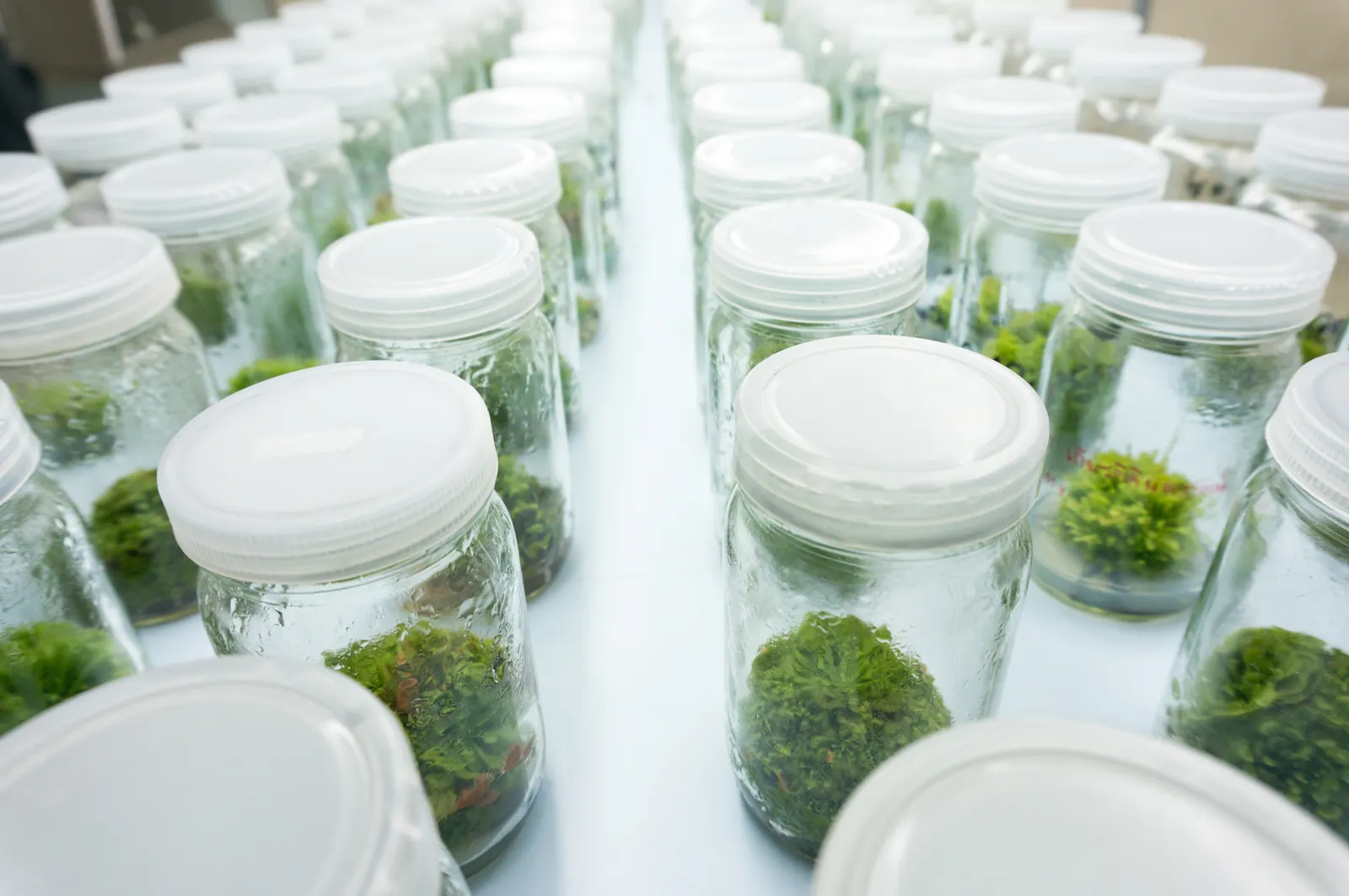
Plant tissue culture involves the aseptic cultivation of cells, tissues, or organs on specially formulated nutrient media under controlled environmental conditions. Since its widespread adoption in the mid-20th century, tissue culture has improved the efficiency and consistency of plant propagation. This technique enables the rapid multiplication of superior cultivars, production of disease-free planting stock, and the conservation of valuable germplasm.
By leveraging tissue culture, producers can achieve uniformity in plant quality, enhance crop yields, and maintain a steady supply of improved varieties. This controlled, laboratory-based approach is especially crucial in an era where global food security, biodiversity preservation, and resource optimisation are top priorities.
Techniques we're interested in
As a small laboratory, we follow the methods that extend what tissue culture can do. The techniques below, blending established science with modern equipment and automation, are the ones we most want to build capability around:
- Micropropagation: Growing new plants from tiny tissue samples like shoot tips, nodes, or meristematic cells. This technique enables the rapid production of thousands of genetically identical, pathogen-free plants from a single source. Across multiple subculturing stages (establishment, multiplication, rooting, and acclimatisation), it can maintain genetic fidelity and achieve uniformity in growth characteristics.
- Somatic Embryogenesis: Inducing somatic (non-reproductive) cells to form embryos that can develop into whole plants. This approach can be more efficient than traditional micropropagation, as it often yields higher multiplication rates. Somatic embryogenesis is particularly valuable for large-scale propagation of forestry species, fruit trees, and ornamental plants that are otherwise difficult to root or regenerate through conventional methods.
- Automation Integration: Integrating automation at various stages of the tissue culture process. Robotic handling systems, automated culture media preparation units, and digital environmental controls can reduce labour costs, minimise human error, and maintain consistent conditions. This automation supports increased productivity, efficient resource utilisation, and scalable production to meet the growing demand for elite planting material.
Benefits for sustainable agriculture
Tissue culture aligns closely with global efforts to create more sustainable agricultural systems. By producing large numbers of healthy, true-to-type plants in compact, controlled environments, tissue culture reduces the need for extensive land area and minimises the introduction of pathogens. Key sustainability benefits include:
- Reduced Land Use: High multiplication rates in tissue culture allow growers to generate large quantities of plants in small laboratory spaces, freeing up valuable agricultural land and supporting more diverse cropping systems.
- Pathogen-Free Planting Material: Meristem culture techniques enable the elimination of viruses and other pathogens, ensuring that farmers receive clean stock. This improves overall plant health, reduces the need for chemical interventions, and boosts yields in a sustainable manner.
- Enhancing Biodiversity and Conservation: Endangered or rare plant species can be multiplied and preserved through in vitro methods. Cryopreservation and slow-growth storage techniques, integrated with tissue culture, help maintain genetic diversity and safeguard plant germplasm for future generations.
- Reforestation and Ecosystem Restoration: Tissue culture can rapidly produce large quantities of tree seedlings for reforestation efforts. By accelerating the supply of robust, genetically diverse saplings, tissue culture can help restore degraded landscapes and promote ecosystem resilience.
We are a small laboratory building capability around these techniques. We work with growers, breeders, researchers and conservation organisations on work that can accelerate crop improvement, support food security and contribute to the long-term health of our ecosystems.