FAQ
Frequently asked questions
Common questions about tissue culture, plant health, import and export, and research services.
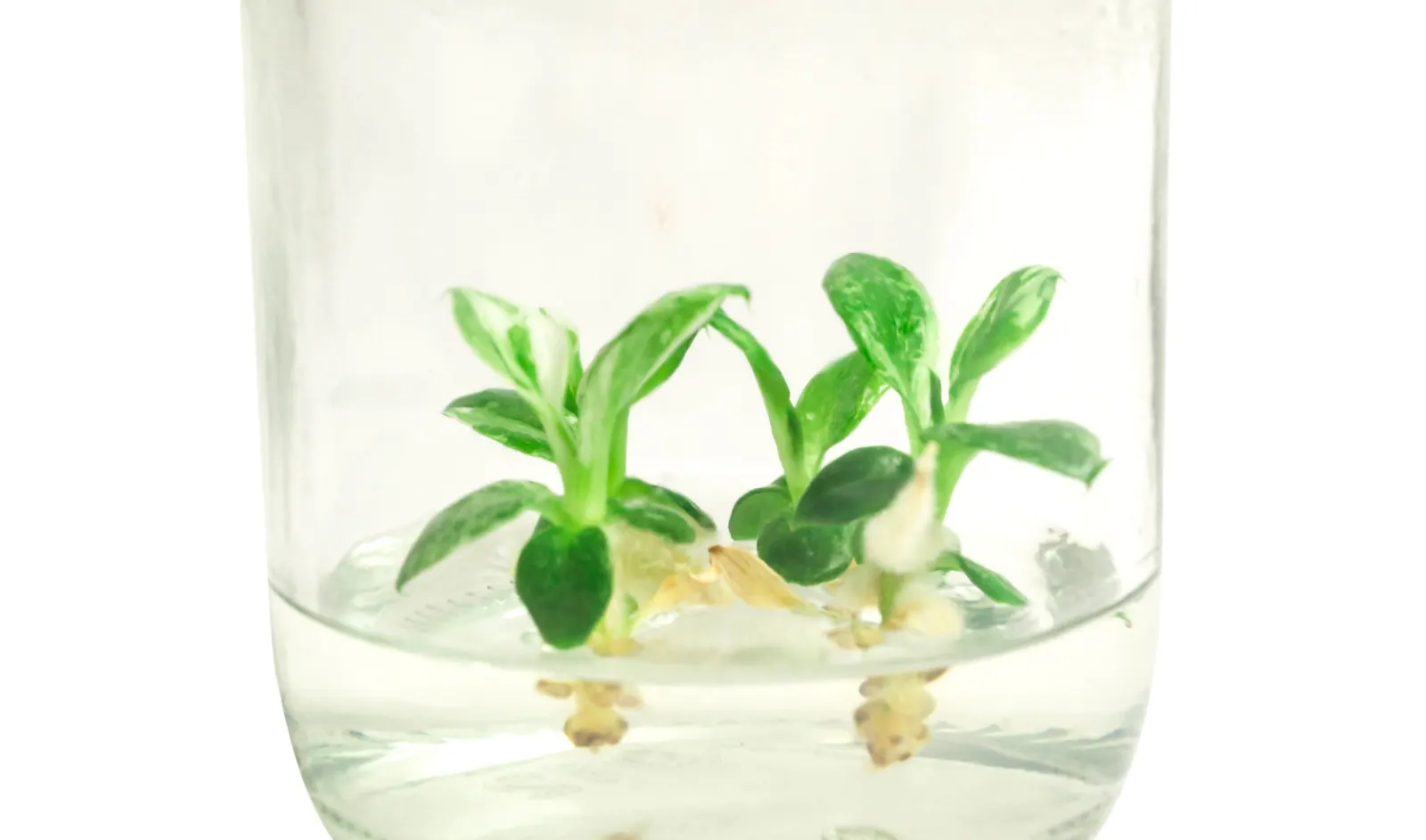
What is plant tissue culture?
Tissue culture, or micropropagation, is the laboratory multiplication of plants from small tissue samples grown on sterile nutrient media. It produces large numbers of genetically identical, pathogen-tested plants and is used across horticulture, forestry, emerging industries, and conservation.
What are the benefits of tissue-cultured plants?
Tissue-cultured plants from pathogen-tested mother stock are free of the pathogens tested for (including systemic viruses), genetically uniform, and available in large quantities from small starting material. This is valuable when establishing new plantings with clean stock, for species that are difficult to propagate conventionally, and for clonal propagation of elite cultivars.
Which plant species do you work with?
Emerging and established crops in Australia. Emerging-industry work includes agave, pongamia, tea tree oil, native foods such as Kakadu plum, lemon myrtle, Davidson plum, and finger lime, plus truffle-host trees and sandalwood. On the established side we follow Hort Innovation levied crops such as berries, bananas, ginger and macadamia. A species not routinely tissue-cultured is a protocol-development job, which is work we take on.
How does tissue culture help with plant diseases?
Meristem-tip culture, often combined with thermotherapy or chemotherapy, can eliminate systemic viruses and other pathogens from a valued cultivar. Recovered plantlets are then re-indexed to confirm pathogen-free status. Virus indexing as a standalone service is being added; until then we say which external testing a job needs.
How is tissue culture different from cuttings?
Cuttings are taken directly from a mother plant and rooted as whole shoots. Tissue culture works at a far smaller scale, using millimetre-sized tissue samples grown on sterile media. Tissue culture produces more plants from less material, can eliminate systemic diseases, and works for species that do not propagate reliably from cuttings.
How long does tissue culture propagation take?
Timeframes depend on the species and quantity. Protocol development for a new species typically takes several months. Once a protocol is established, production cycles depend on the species multiplication rate and the numbers needed. We give an indicative timeframe after scoping each project.
Are you interested in AgriFutures and Hort Innovation priority crops?
Yes, they're a useful guide to where the opportunities are. AgriFutures Australia sets research priorities for emerging industries, and Hort Innovation does the same for Australia's levied horticulture industries. We read these as background, and our industry pages link to the relevant publications.
Do you work with research institutions?
Yes. We work with universities, government research agencies and industry bodies on plant propagation research, protocol development and variety trials.
Can you help with conservation of threatened species?
Yes, where the work suits a small laboratory. Tissue culture is particularly useful when starting material is limited or when conventional propagation is not reliable, and we welcome conversations with botanic gardens and conservation organisations.
Do you handle import and export?
This service is being added. Tissue-cultured material is often the pathway of choice for phytosanitary compliance in and out of Australia. The service will cover BICON import case assessment, post-entry quarantine support, and DAFF phytosanitary certification for exports.
How do I start a conversation?
Get in touch with the species and cultivar, approximate quantities or the research question, and your timeframe. We reply with what we can take on and what it would involve. For research projects we also ask about available starting material.
Start a conversation
Tell us the species, the quantity or the research question, and your timeframe. We reply with what we can take on and what it would involve.
Start a conversation