Services
Plant import and export
A service being added to the laboratory. Tissue-cultured plant material is well suited to international plant trade: cultures are sterile, compact and verifiable, which fits Australian phytosanitary pathways on both import and export.
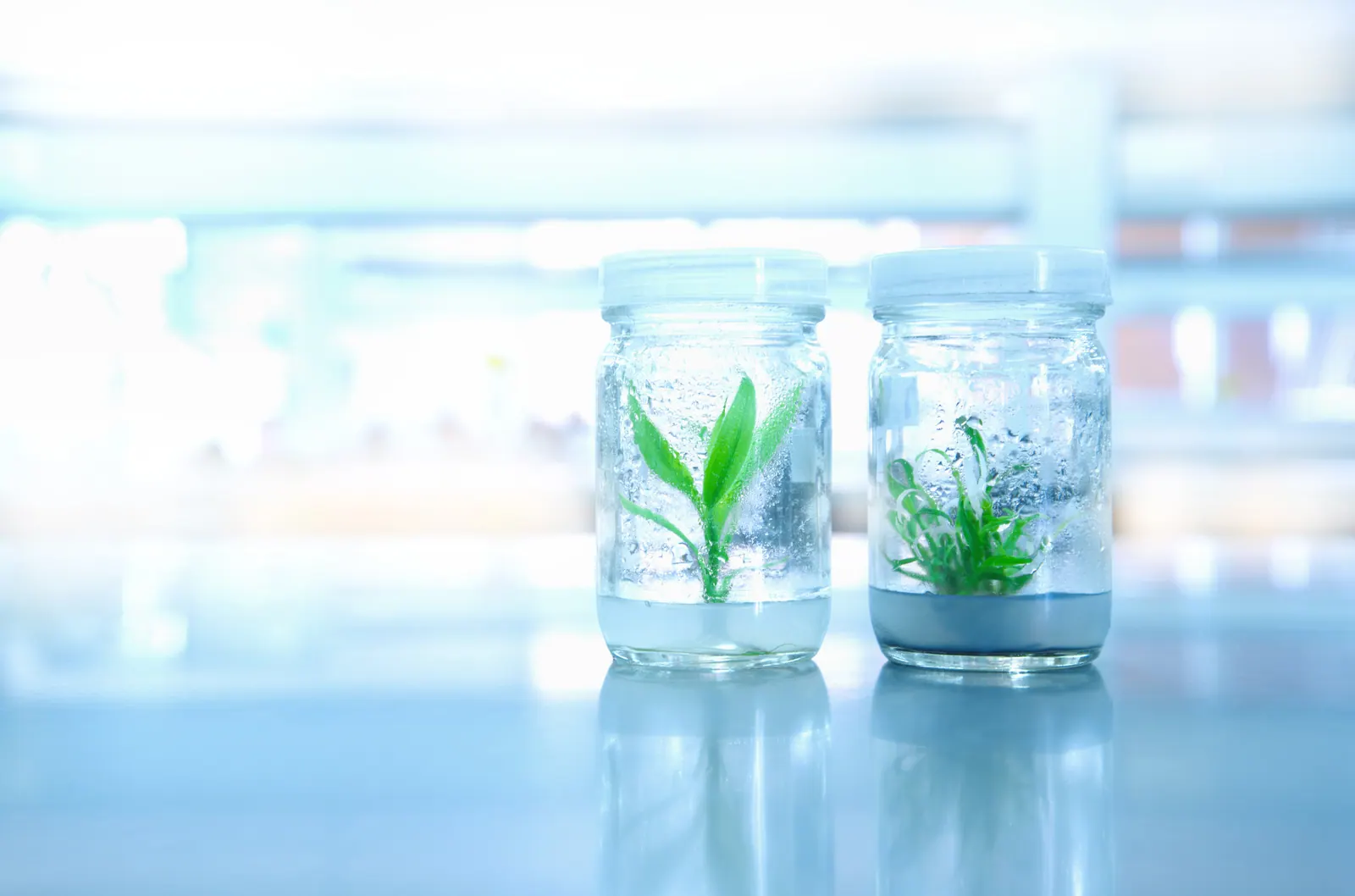
Why tissue culture for international plant movement
Australia's plant biosecurity system is strict. Live plant imports must meet the conditions published in the Department of Agriculture, Fisheries and Forestry (DAFF) BICON database, and most categories of plant material require post-entry quarantine. Exports must carry a phytosanitary certificate issued under the International Plant Protection Convention (IPPC).
Tissue-cultured plants address several core biosecurity risks at once: cultures are produced under sterile conditions, maintained free of soil and insects, screened for systemic pathogens, and readily inspected. For many species, tissue culture is the pathway with the shortest quarantine period and the strongest compliance profile.
What the service will cover
Plant import support
- Assessment of the relevant BICON import case and conditions
- Identification of appropriate post-entry quarantine arrangements
- Establishment of imported material into tissue culture and multiplication on release
- Virus indexing and pathogen testing as part of the clean-plant pathway
Plant export support
- Production of tissue-cultured material suitable for international dispatch
- Coordination of phytosanitary inspection and certification through DAFF
- Packaging and logistics support for tissue-cultured plants on international shipments
- Documentation support for market-specific import permits
Who it is for
Variety owners licensing cultivars into or out of Australia, nurseries building new planting stock for emerging crops, research programmes working with internationally-held germplasm, and growers looking at imported rootstock or scion material.
What we need from you
To assess a project quickly we need the species, the country of origin or destination, the intended end use in Australia or overseas, and any existing import permit references or licensing arrangements. We then confirm whether tissue culture is the right pathway, what we can do now and what waits on this service, and outline indicative timeframes.
References
- Department of Agriculture, Fisheries and Forestry (DAFF). BICON import conditions database.
- Department of Agriculture, Fisheries and Forestry (DAFF). Exporting plants and plant products.
- AgriFutures Australia. Australian grown coffee goes global.
Also at MeristemLab: which plant-pathogen test answers which question from MeristemLab Diagnostics, and production-record software for tissue-culture labs.